CITY NOTES · E0005
上海:一座善于融汇的港口城市
Shanghai: A Port That Learned to Mix
WORD BY WORD
进入逐词听读模式
顶部配图随进度轮播,未读文字为白色,读到后逐词变黄。
用约三分钟英语理解上海最重要的城市性格:港口带来的交流能力、外滩与浦东的古今对话、石库门里弄生活,以及海派文化如何把外来影响转化为本地风格。
THREE THINGS TO KNOW
- 01
Shanghai developed as a major modern port after its port opened in 1843, and the city's culture has been shaped by Jiangnan traditions and global influences.
- 02
The Bund was an important financial center of old Shanghai and contains a dense group of historic buildings in several architectural styles.
- 03
Shikumen neighborhoods combine Jiangnan residential traditions with Western influences and organize compact homes along shared lanes.
BILINGUAL TRANSCRIPT
双语全文
Welcome to Shanghai, a port city whose strongest habit is turning encounters into new forms.
欢迎来到上海。这座港口城市最鲜明的能力,是把相遇转化成新的形式。
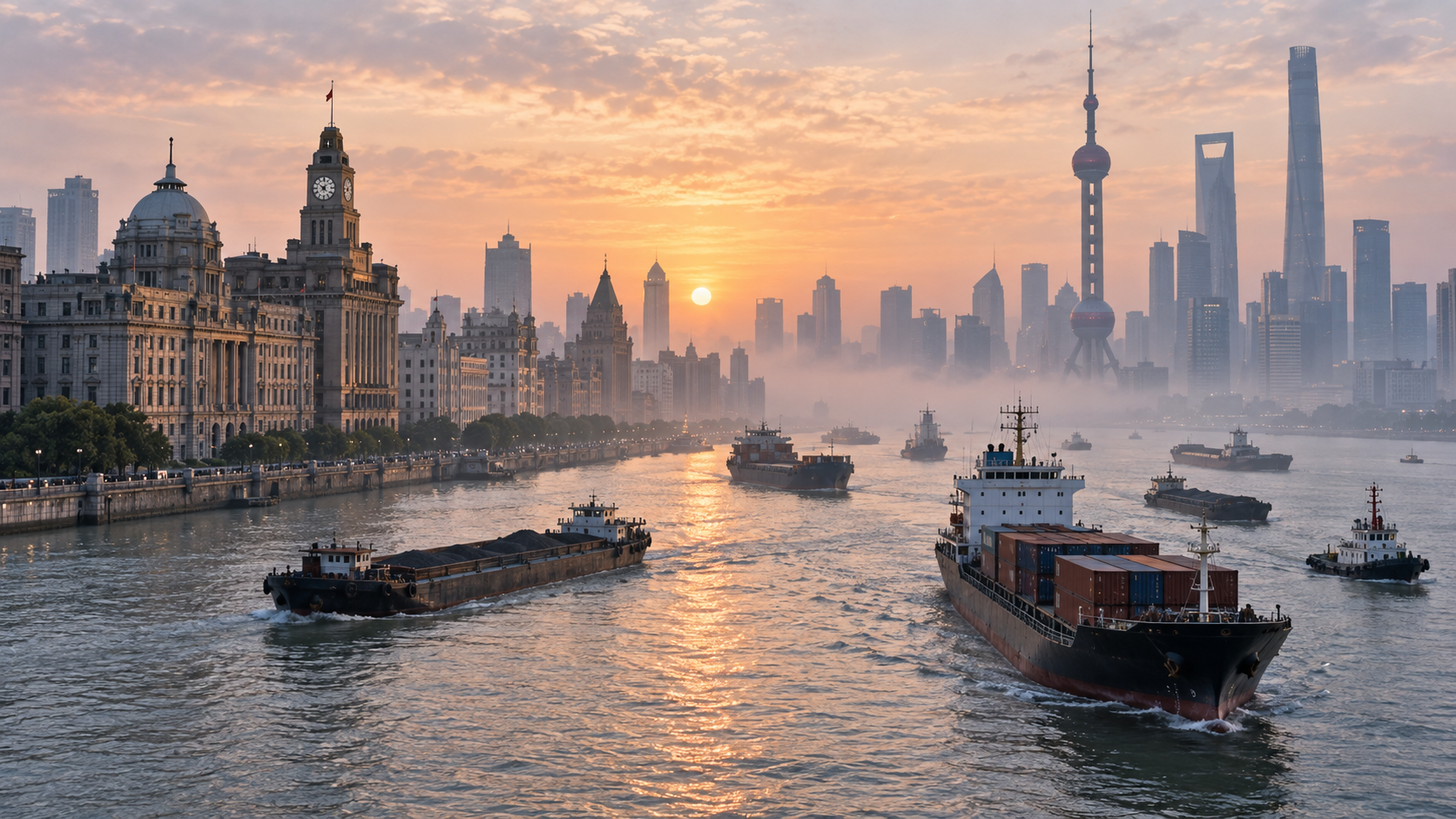
Its story begins with water, because the Huangpu River carried ships, goods, visitors, and ideas into the city.
上海的故事从水开始,因为黄浦江把船只、货物、访客和观念带进了城市。
The river separates the old financial waterfront from the Pudong skyline, but it also holds them in one view.
黄浦江把昔日的金融滨水区与浦东天际线分在两岸,也把它们放进同一幅画面。
On the Bund, banks, hotels, and offices formed a dense row of stone buildings in many architectural styles.
在外滩,银行、酒店和办公楼以多种建筑风格组成了一排密集的石质建筑。
Their facades now face futuristic towers, creating Shanghai's famous conversation between past and future.
这些历史立面如今面对未来感十足的高楼,形成了上海著名的古今对话。
Yet the city's identity cannot be understood from the riverfront alone.
但只看江岸,还不足以理解上海的城市身份。
Walk into a shikumen lane, where stone gateways lead to compact lilong neighborhoods.
走进石库门里弄,石质门头会把你带入紧凑的里弄社区。
The houses combine ideas from Jiangnan residences with materials and details influenced by Western architecture.
这些住宅把江南民居的观念,与受到西方建筑影响的材料和细节结合起来。
Behind the gateways, residents shared alleys, light, sounds, chores, children's games, and daily news.
在门头之后,居民共享巷道、光线、声响、家务、孩子的游戏和每天的新鲜事。
Shanghai's modern life grew from this close neighborhood scale as much as from grand commercial ambition.
上海的现代生活既来自宏大的商业抱负,也来自这种紧密的邻里尺度。
The best word for the city's cultural style is Haipai, often translated as Shanghai style.
描述这座城市文化风格最重要的词是海派,也常被译作 Shanghai style。
Haipai culture developed through the meeting of local traditions and international industrial and cultural influences.
海派文化形成于地方传统与国际工业、文化影响的相遇之中。
It values openness, diversity, practical invention, and the confidence to make borrowed ideas local.
它重视开放、多样、实用的创造,也有把外来观念转化为本地风格的自信。
You can see this spirit in architecture, graphic design, cinema, fashion, publishing, and popular music.
这种精神可以从建筑、平面设计、电影、时装、出版和流行音乐中看到。
The Shanghai qipao is a clear example of tradition being reshaped through new cuts and tailoring techniques.
上海旗袍就是传统通过新式剪裁和制作技术被重新塑造的鲜明例子。
Its elegance came from adaptation rather than simple imitation.
它的优雅来自主动调整,而不是简单模仿。
Food follows the same local logic of movement, mixture, and precision.
上海饮食也遵循着流动、融合与精细的地方逻辑。
A morning may include xiaolongbao, wontons, scallion-oil noodles, strong tea, or coffee from a small neighborhood shop.
一个上海早晨,可以有小笼包、馄饨、葱油拌面、浓茶,也可以有街坊小店里的咖啡。
These ordinary choices make the global city feel personal and lived-in.
这些普通选择,让一座全球城市显得具体而有人生活的温度。
Pudong's skyline added a dramatic new chapter, but it continued the older habit of absorbing change quickly.
浦东天际线写下了极具戏剧性的新篇章,却延续了这座城市快速吸收变化的旧习惯。
Seen from 2026, Shanghai still feels most alive where international currents meet the intimate scale of local life.
从 2026 年观察,上海最有生命力的地方,仍是国际潮流与本地日常尺度相遇之处。
For English learners, useful words include port, lane, fusion, skyline, and adaptation.
对英语学习者来说,port、lane、fusion、skyline 和 adaptation 都是很有用的词。
They explain not only what Shanghai looks like, but also how its culture works.
它们不仅能解释上海看起来是什么样,也能解释它的文化如何运转。
Shanghai remains itself when the wider world passes through its streets and returns with a distinctly local style.
当更广阔的世界穿过上海的街道,并以鲜明的本地风格重新出现时,上海最像上海。